 All experiences


Best Museums in Turin
Must-See Venues in Turin
See more venues
All attractions in Turin
 Turin


Turin: Top 10 Things to Do, Museums and Royal Landmarks
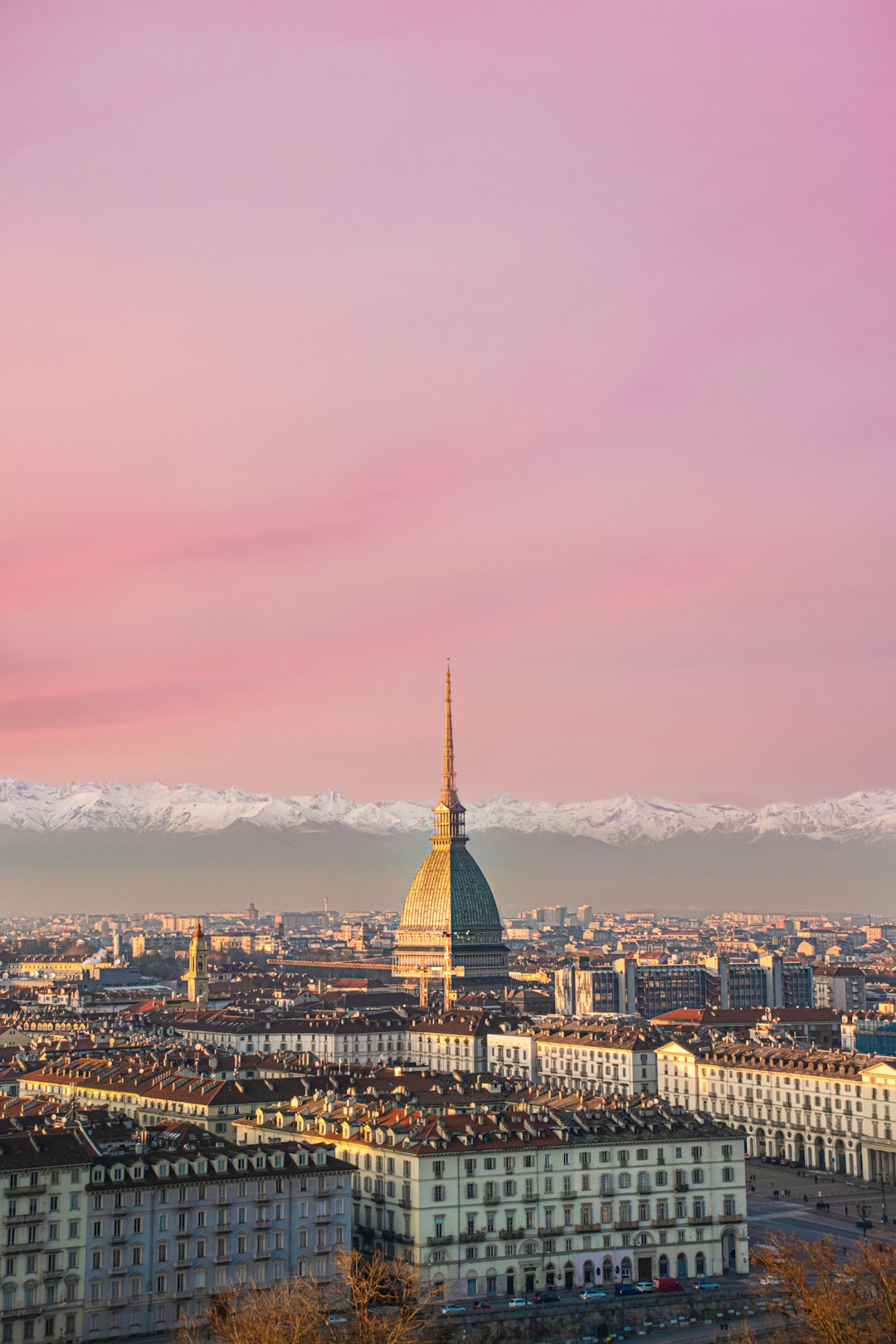
Turin’s grand piazzas, arcaded streets and royal palaces give the capital of Piedmont a distinctive character. In northwestern Italy, mainly on the western bank of the River Po, the city sits beneath the western Alpine arc and Superga hill. Baroque, Rococo, Neoclassical and Art Nouveau architecture shape its streets, while museums connect ancient Egypt, Italian unification and cinema.
The House of Savoy made Turin a political centre, and it became the first capital of the Kingdom of Italy from 1861 to 1865. Later, automobile manufacturing helped transform it into an industrial powerhouse. Today, that layered identity runs through its royal collections, cultural institutions and football traditions, alongside famous coffee shops and the chocolate speciality gianduiotto.
Top 10 things to do in Turin
10. Explore Turin’s festival culture
Turin’s recurring festivals bring literature, film, music and food into the city’s cultural calendar. The Turin Book Fair and Torino Film Festival reflect its literary and cinematic interests, while Torino Jazz Festival and Kappa FuturFestival span jazz and electronic music. Terra Madre Salone del Gusto celebrates food producers and Slow Food, adding another substantial strand to the city’s cultural life.
9. Attend a performance at Teatro Regio
Teatro Regio anchors Turin’s opera tradition on Piazza Castello. First opened in 1740, it suffered a devastating fire in 1936 and reopened in 1973 with a modern theatre behind its original façade. A performance brings the building into focus as a working cultural institution, with its architecture recording two distinct chapters in the city’s theatrical history.
8. Discover Turin’s coffee and chocolate traditions
Turin’s famous coffee shops belong to the experience of its arcaded streets and grand squares. Pause for coffee and seek out gianduiotto, the chocolate speciality closely associated with the city. Chocolate also has its own recurring celebration, Cioccola, giving this everyday pleasure a place in Turin’s wider cultural calendar.
7. Walk beside the Po in Parco del Valentino
Parco del Valentino brings a riverside landscape close to the centre, with green space arranged around Castello del Valentino. Walk through the park to spend time beside the Po, a defining feature of Turin’s geography. The combination of castle, parkland and river makes this a rewarding outdoor stop among the city’s museum and palace visits.
6. Visit the National Automobile Museum
The National Automobile Museum connects a visit to Turin with one of the industries that shaped it. Fiat and Lancia are central names in the city’s manufacturing identity, and the automobile helped drive its transformation into a major industrial centre. Make this the museum stop for exploring that essential strand of Turin’s modern character.
5. Trace Italian unification at Palazzo Carignano
Palazzo Carignano houses the National Museum of the Italian Risorgimento in a building directly connected with the events it explains. Italy’s first parliament met here, and Carlo Alberto and Vittorio Emanuele II were born here. Political cartoons, photographs, films and historical objects place the struggle for unification within the broader upheavals of nineteenth-century Europe.
4. Explore Palazzo Madama and its art collections
Palazzo Madama stands on Piazza Castello, placing a major art collection within one of Turin’s defining palace settings. Its Museum of Ancient Art concentrates on Gothic, Renaissance and Baroque works, despite the broader implications of its name. Visit for the combination of the palace itself and collections that extend the story beyond the Savoy court.
3. Enter the Royal Palace and Savoy collections
The Royal Palace of Turin reveals the ceremonial world of the Savoy rulers through richly decorated apartments, chandeliers and large paintings. The wider museum complex includes the Galleria Sabauda, Royal Armoury, Royal Library and Chapel of the Shroud. Together, these spaces show how art, scholarship, religion and military display supported the dynasty’s public image.
2. Discover ancient Egypt at the Museo Egizio
The Egyptian Museum is one of Turin’s foremost cultural attractions, with a collection of international importance. Statues, papyri, textiles and tomb material open up ancient Egyptian beliefs and everyday life. Highlights include the Book of the Dead of Iuefankh and the Tomb of Iti and Neferu, giving the visit both monumental and intimate points of focus.
1. See the Mole Antonelliana and National Museum of Cinema
The Mole Antonelliana and National Museum of Cinema unite Turin’s architectural symbol with one of its defining cultural institutions. The Mole is the city’s emblematic landmark; the museum within makes it a destination for cinema as well as architecture. Give both aspects attention: the building establishes Turin’s visual identity, while its contents connect with the city’s continuing film culture.