All experiences


Best attractions in Palermo
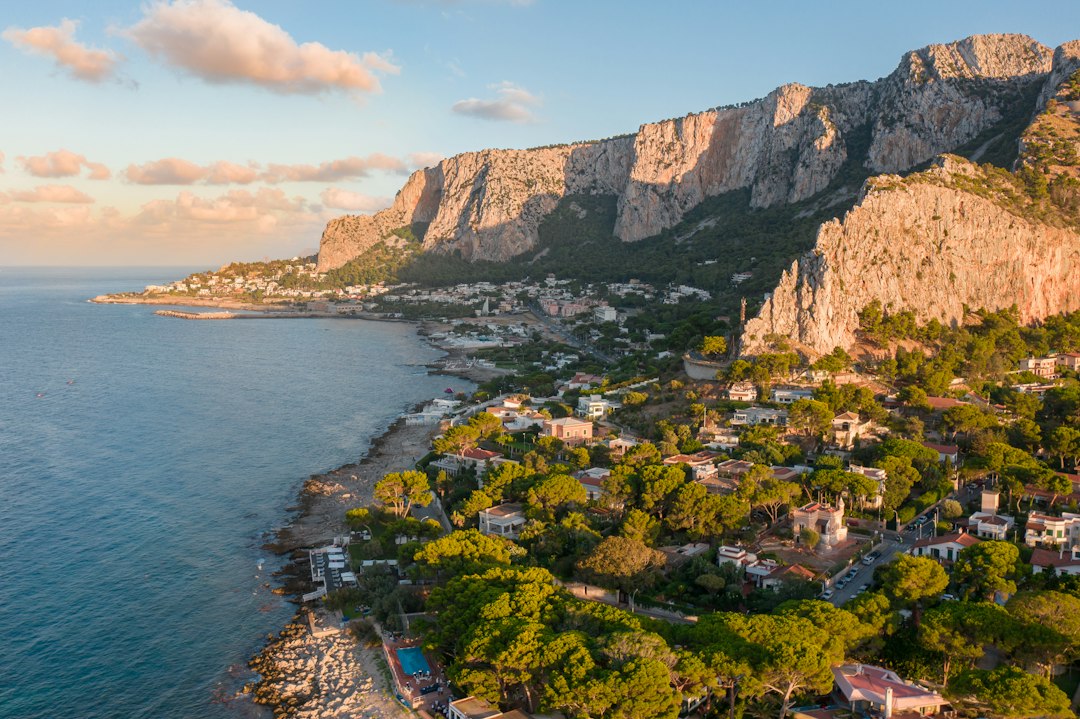
Must-See Venues in Palermo


Current Events and Exhibitions in Palermo
All attractions in Palermo


 Palermo
Zisa Castle: Entry Ticket


Palermo: Top 10 Things to Do and Places to Visit
Palermo’s Arab-Norman monuments give Sicily’s capital its defining architectural character: Romanesque forms, Byzantine mosaics and Arab-inspired decoration meet in churches and royal buildings. On Sicily’s northern coast, facing the Tyrrhenian Sea across its namesake gulf, the city is the island’s largest and an important centre of culture, commerce and government.
Founded by Phoenicians, Palermo later passed through Roman, Arab and Norman rule, becoming a capital whose buildings reflect successive Mediterranean cultures. Its identity also lives in Sicilian speech, colourful food markets and devotion to its patron saint, Santa Rosalia. Between royal interiors, richly decorated churches and the everyday activity of Ballarò, Capo and Vucciria, the city rewards attention to both monumental art and living traditions.
Top 10 things to do in Palermo
10. Discover Palermo’s devotion to Santa Rosalia
Santa Rosalia holds a central place in Palermo’s religious and cultural life, with her feast celebrated on 15 July. For visitors whose stay coincides with the occasion, the celebration brings the city’s patronal tradition into focus. It is an important expression of the Roman Catholic heritage that continues to shape Palermitan identity.
9. Visit the Capuchin Catacombs
The Capuchin Catacombs preserve more than 8,000 mummified people from Palermo and surrounding villages. Clothed skeletons and remarkably preserved bodies make this a direct, sometimes unsettling encounter with death and remembrance. The human remains are the central reason to visit, and their explicit display deserves particular consideration when visiting with children.
8. See Zisa Castle
Zisa Castle belongs to the UNESCO-listed group of monuments that defines Arab-Norman Palermo. Include it when exploring how the city’s medieval heritage extends beyond its churches and cathedral. Alongside the royal palace and religious buildings, it helps establish the breadth of an architectural tradition shaped by different cultural influences.
7. Step inside the Church of the Gesù
The Church of the Gesù reveals Palermo’s exuberant Sicilian Baroque behind a comparatively modest façade. Built between 1564 and 1633, it has an interior distinguished by extensive polychrome marble across walls and floors. Look closely at the decoration: its richness marks a striking change of visual language from the city’s medieval monuments.
6. Explore Ballarò, Capo and Vucciria markets
Palermo’s celebrated markets bring its food culture into everyday view. Ballarò, Capo and Vucciria are known for colourful displays of fruit, vegetables and fish, making them rewarding places to observe the ingredients behind the city’s gastronomy. Give the stalls your attention: here, Palermo’s commercial life and culinary identity share the same setting.
5. Walk through Quattro Canti and Piazza Pretoria
Quattro Canti forms the symbolic crossroads of Palermo’s old centre. Nearby, Piazza Pretoria centres on a large sculptural fountain purchased by the city’s Senate in 1573 for its new setting. Its figures of nymphs, humans, mermaids and satyrs make the square a compelling stop for looking closely at Palermo’s public art.
4. Admire San Giovanni degli Eremiti
The brilliant red domes of San Giovanni degli Eremiti give this church an immediately recognisable silhouette. Its 12th-century architecture demonstrates the continuing influence of Arab forms under Norman rule. Part of Palermo’s UNESCO-listed heritage, it makes the city’s cultural interweaving visible through the building’s shape, with a character distinct from its mosaic-filled churches.
3. See La Martorana and San Cataldo
Santa Maria dell’Ammiraglio, commonly known as La Martorana, draws visitors to its Byzantine mosaics. Pair it with the Church of San Cataldo to explore two components of Palermo’s UNESCO-listed Arab-Norman heritage. La Martorana’s intimate scale encourages close attention to its interior, adding another essential perspective on the city’s medieval religious art.
2. Explore Palermo Cathedral
Palermo Cathedral brings together the city’s layered architectural identity in a honey-coloured landmark with Catalan influences. Inside, the tomb of Emperor Frederick II gives the visit a direct connection to Sicily’s medieval rulers; his sarcophagus is made of imperial-purple porphyry. The cathedral is also a central monument within Palermo’s UNESCO-listed Arab-Norman ensemble.
1. Visit the Norman Palace and Palatine Chapel
The Norman Palace and Palatine Chapel provide Palermo’s most compelling encounter with its royal and artistic heritage. Once home to the rulers of the Kingdom of Sicily, the palace now houses the Sicilian Parliament. Its chapel combines magnificent Byzantine mosaics with Arab-inspired decoration and Romanesque architecture, bringing the city’s defining cultural synthesis into one extraordinary interior.




 136
 1385