 All experiences


Best Bus in Barcelona
Must-See Venues in Barcelona

 Buy Ticket
 More information


All attractions in Barcelona




 Barcelona
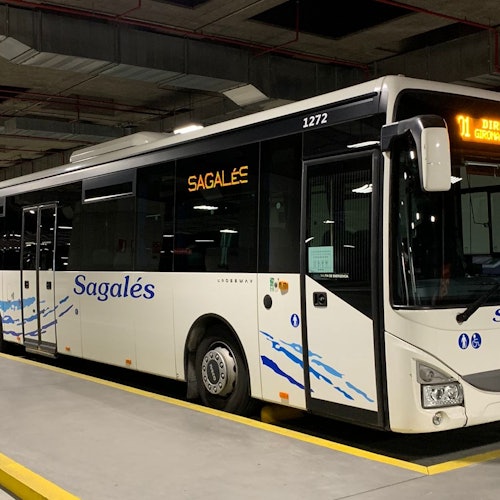
: Bus Transfer To/From Girona


Barcelona: Top 10 Things to Do and Places to Visit
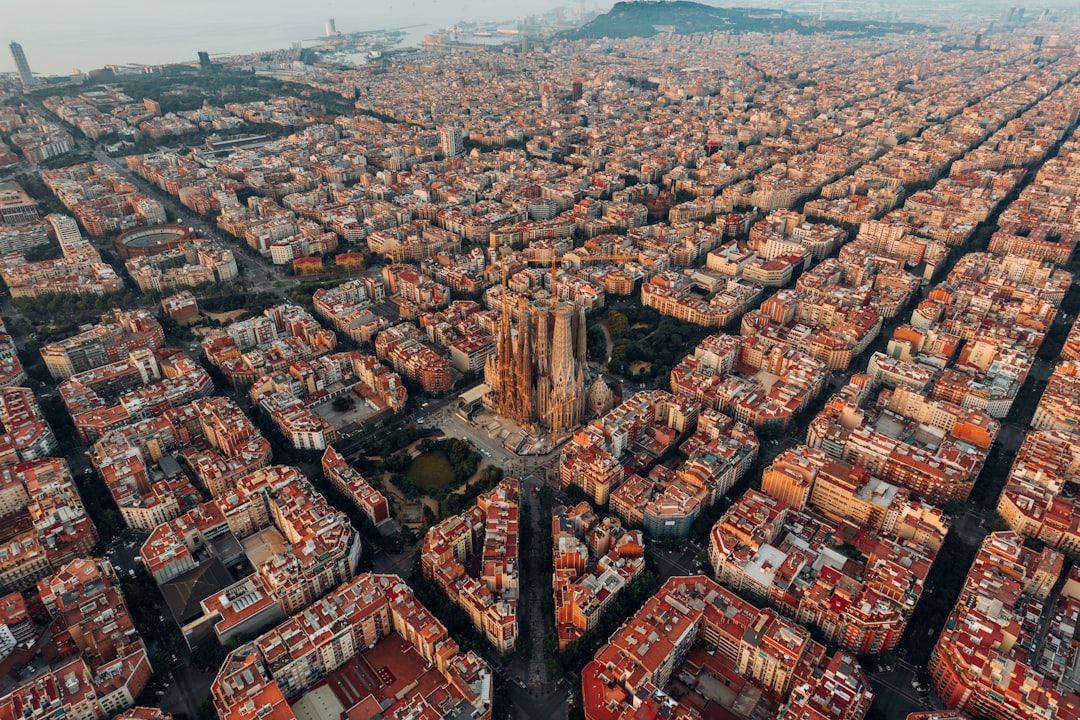
Barcelona’s architectural landmarks give the Catalan capital an unmistakable identity, from Antoni Gaudí’s Sagrada Família to the Modernista works of Lluís Domènech i Montaner. On Spain’s northeastern Mediterranean coast, the city lies between the mouths of the Llobregat and Besòs rivers, with the Serra de Collserola rising to the west. Its medieval old town and planned nineteenth-century street grid reveal very different chapters of its development.
Culture here extends from UNESCO-recognized buildings to concert halls, churches and public squares. Barcelona also hosted the 1992 Summer Olympics and is home to FC Barcelona. Long sandy beaches and hillside parks add an outdoor dimension to a city whose strongest attractions reward close attention to architecture and street life.
Top 10 things to do in Barcelona
10. Take in the city from Tibidabo
Tibidabo combines elevated views of Barcelona with a historic amusement park and the prominent Sagrat Cor church. The mountain setting makes the city’s geography part of the visit: step back from individual monuments and see the wider urban landscape. Its mix of scenery, recreation and religious architecture gives the hill several distinct points of interest.
9. Walk the Barceloneta waterfront
Barceloneta brings Barcelona’s Mediterranean setting into focus. Walk the beachfront promenade, spend time beside the sandy shore, or explore the neighbourhood’s seafood and rice dishes. The waterfront provides a change of pace from the old town’s enclosed streets, with a long stretch of open space where the sea becomes the main attraction.
8. Stroll along La Rambla
La Rambla is one of Barcelona’s defining public spaces: a tree-lined pedestrian boulevard made up of several sections, each with its own character. Follow its length to observe the city’s busy street life, then explore adjoining streets and nearby Plaça Reial. The appeal lies as much in the walk and its surroundings as in any single stop.
7. Discover Sant Pau’s Modernista heritage
The Sant Pau Art Nouveau Site is a key work by Lluís Domènech i Montaner and part of Barcelona’s UNESCO-recognized architectural heritage. It broadens an understanding of Catalan Modernisme beyond Gaudí’s buildings. Visit it as a major architectural destination in its own right, at the edge of the Eixample district.
6. Visit the Palau de la Música Catalana
The Palau de la Música Catalana brings together two central strands of Barcelona’s cultural life: Modernista architecture and live performance. Designed by Lluís Domènech i Montaner, this UNESCO-recognized landmark stands in Ciutat Vella. Seeing the building adds an essential architectural stop to the old town; attending a performance connects that setting with its musical purpose.
5. Explore Casa Milà, La Pedrera
Casa Milà, also known as La Pedrera, is one of Gaudí’s UNESCO-recognized works in the Eixample. It is an important stop for understanding the architect’s contribution to Barcelona beyond religious buildings and parks. Consider it alongside nearby Modernista landmarks to appreciate how strongly this movement shaped the city’s architectural identity.
4. See Casa Batlló
Casa Batlló is another defining Gaudí landmark in the Eixample and part of the UNESCO-listed group of his works. Give the building focused attention within an exploration of Barcelona’s Modernista architecture. Together with Casa Milà, it makes the district an essential destination for seeing Gaudí’s work within the everyday fabric of the city.
3. Explore the Gothic Quarter and its cathedral
The Barri Gòtic reveals Barcelona through winding streets, small squares, fountains and palaces. Make the Cathedral and its cloister central to your walk, with the Museu d’Història de Barcelona adding another point of interest. This medieval core rewards unhurried exploration, allowing the spaces between major landmarks to become part of the visit.
2. Discover Park Güell
Park Güell brings Gaudí’s architecture into a park setting in Gràcia. As part of the UNESCO-listed Works of Antoni Gaudí, it belongs among Barcelona’s essential architectural visits. Its outdoor setting adds variety to an itinerary of houses and churches, while keeping the focus on the architect most closely associated with the city.
1. Visit the Sagrada Família
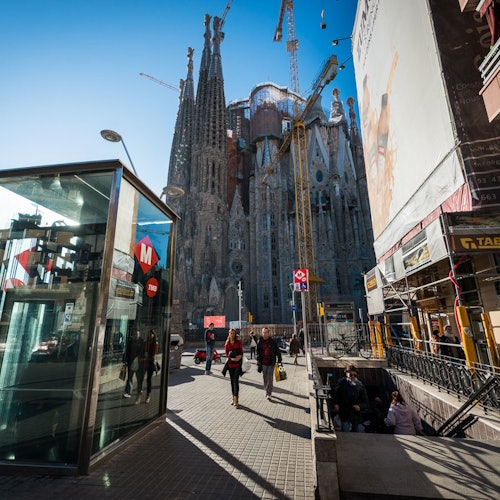
The Sagrada Família is Barcelona’s most emblematic landmark and the clearest expression of Gaudí’s place in the city’s identity. The basilica belongs to the UNESCO-recognized group of his works and anchors any exploration of Barcelona’s architecture. Give it a dedicated visit to appreciate the building itself, beyond its familiar role as a symbol of the city.