 All experiences


Best Museums in Cologne
Must-See Venues in Cologne
See more venues
All attractions in Cologne
 Cologne


Cologne: Top 10 Things to Do, Landmarks and Traditions
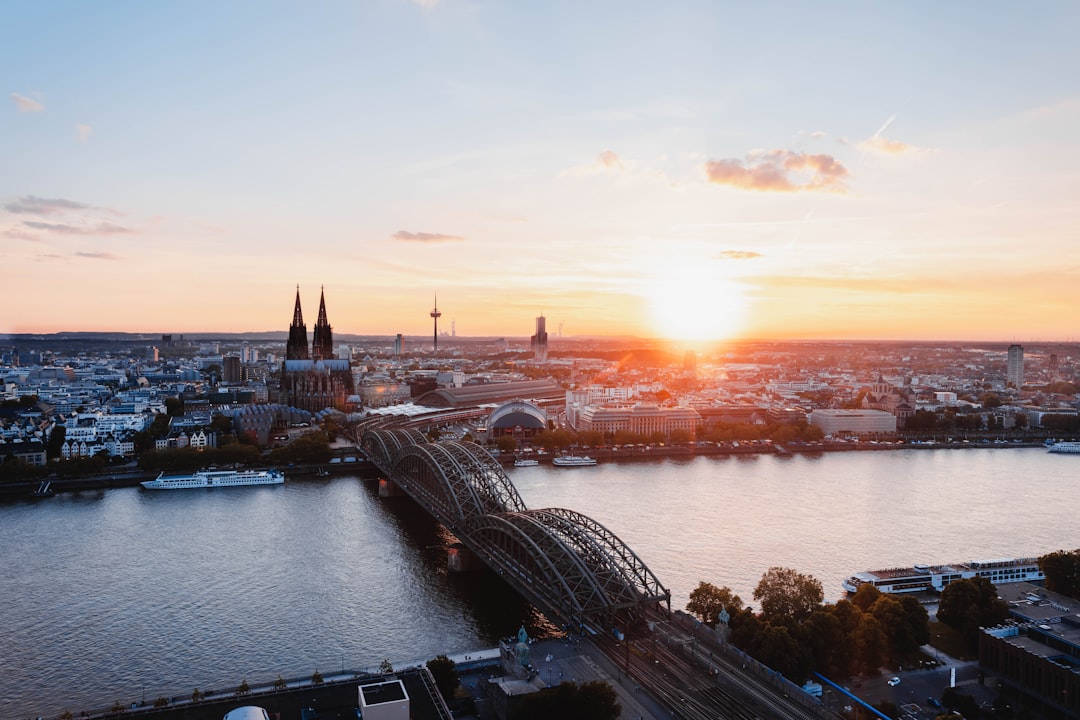
Cologne’s cathedral dominates a city whose identity stretches from Roman foundations to exuberant Carnival celebrations. Set on the Rhine in western Germany, Cologne is the largest city in North Rhine-Westphalia, with more than one million inhabitants. Its historic centre lies mainly on the western bank, facing Deutz across the river. Medieval churches, restored landmarks and modern buildings share a cityscape extensively rebuilt after the Second World War.
A major cultural centre for the Rhineland, Cologne has more than 30 museums, hundreds of galleries and a substantial concert scene. Its character also emerges through local traditions: Kölsch beer and dialect, the street celebrations of Carnival, and the fragrance that carried the city’s name around the world.
Top 10 things to do in Cologne
10. Explore Cologne Zoo & Aquarium
Founded in 1860, Cologne Zoo brings a longstanding city institution into a visit otherwise dominated by architecture and history. Its animal habitats include the Great Ape Jungle House, Rainforest Hall and houses for elephants, hippos and crocodiles. The aquarium broadens the visit further, making this a substantial destination for exploring wildlife from different environments.
9. Discover Cologne’s fragrance heritage
Eau de Cologne has been produced in the city since 1709, and its name became a generic term for an entire category of fragrance. The Farina Fragrance Museum connects a museum visit with this enduring part of Cologne’s identity. A guided tour gives the subject a focused place alongside the city’s architectural and religious heritage.
8. Hear Cologne’s live music
Music is a strong thread in Cologne’s cultural life. The Kölner Philharmonie is a central concert venue, while Stadtgarten presents jazz and contemporary music. Choose a performance to encounter the city through its active cultural institutions, with a change of pace from church interiors and historic streets. Opera adds another strand to the performing-arts scene.
7. Join the celebrations at Cologne Pride
Cologne Pride, also known as Christopher Street Day, is a major annual expression of the city’s diverse public life. Celebrations on Heumarkt include music, while a candlelight vigil remembers people affected by HIV/AIDS. A large parade marks the festival’s finale, combining celebration with remembrance and giving visitors a vivid encounter with Cologne’s civic culture.
6. Visit the Christmas markets
Cologne’s Christmas markets bring a seasonal focus to its public spaces, with the cathedral providing a particularly memorable setting. The market beside the Dom pairs festive atmosphere with the city’s defining monument, while Stadtgarten also hosts a Christmas market. These gatherings make the winter season a distinctive time to explore Cologne’s streets and squares.
5. Find civic history at the Historic Town Hall
The Historic Town Hall gives Cologne’s secular history an architectural centrepiece. Its Gothic tower expressed the standing of the city’s guilds, while the Renaissance loggia reflects civic pride. Look for the tower’s carved Platz-Jabbeck figure, which sticks out its tongue when the clock strikes. The complex also brings historic wings together with modern architectural elements.
4. See Cologne from the Rhine
The Rhine gives Cologne both its geographical setting and a broad perspective on the city. Cologne sightseeing cruises follow the river through the city and introduce landmarks from the water. Seeing the western-bank historic centre opposite Deutz helps make sense of Cologne’s layout, with the cathedral anchoring the skyline above the river.
3. Explore the Twelve Romanesque Churches
Cologne’s Twelve Romanesque Churches form one of its defining architectural ensembles. Their substantial medieval forms provide a rewarding counterpart to the cathedral’s Gothic architecture. St. Cunibert is especially notable for medieval stained glass and golden shrines; St. Severin has a crypt above ancient Roman burial sites. Exploring these churches reveals the depth of the city’s religious heritage.
2. Celebrate Cologne Carnival
Carnival, locally called Fastelovend, is Cologne’s biggest festivity and a central part of its cultural identity. The street celebrations run from Weiberfastnacht through Shrove Tuesday, with the Rose Monday parade as a major highlight. Its traditional figures—the prince, farmer and virgin—give the festivities a distinctly local character, as crowds transform the streets into a shared celebration.
1. Visit Cologne Cathedral
Cologne Cathedral is the city’s defining landmark: a monumental Gothic church and UNESCO World Heritage Site built to house the Shrine of the Three Kings. Its construction spanned 632 years, culminating in 1880. Explore the interior for its religious and architectural significance, or climb the south tower’s 509 steps for panoramic views across Cologne.