 All experiences


Best Museums in Dresden
Must-See Venues in Dresden
See more venues
All attractions in Dresden
 Dresden


Dresden: Top 10 Things to Do and Places to See
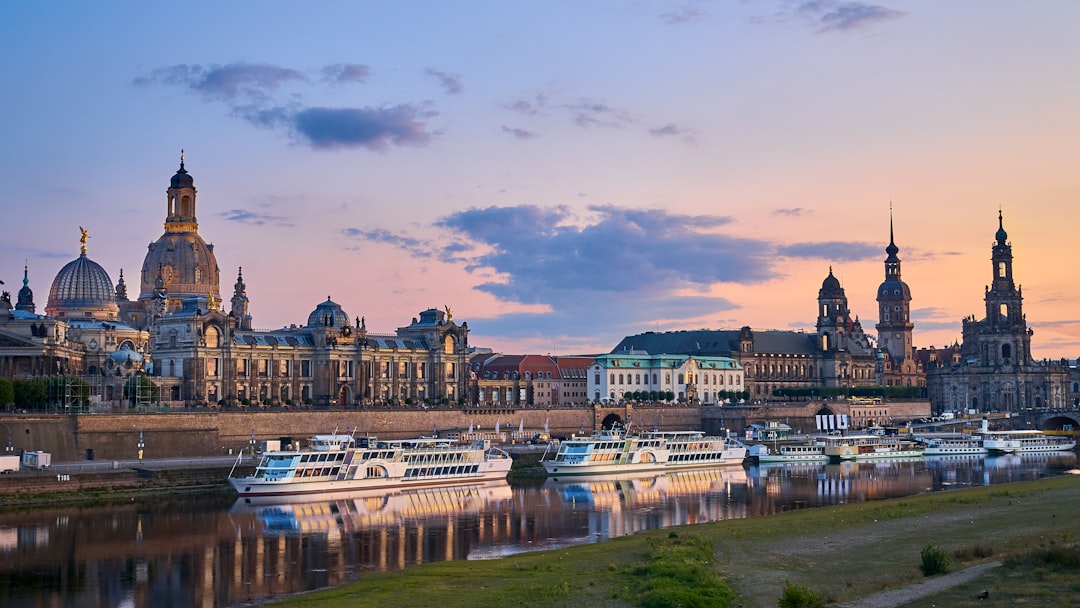
Dresden’s appeal rests on its extraordinary concentration of royal art collections, Baroque architecture and musical institutions beside the River Elbe. The capital of Saxony in Germany, it grew into a lavish residence for the Saxon electors and kings, whose patronage shaped its palaces, galleries and performance traditions. Its river-valley setting gives this cultural city an equally compelling outdoor dimension.
First documented in 1206, Dresden carries both Sorbian roots in its name and the visible legacy of destruction and reconstruction. Bombing devastated its historic centre during the Second World War; restored landmarks now stand at the heart of a compact, walkable old town. Beyond its monuments, Dresden remains a regional centre for education, technology and the arts, with orchestral performances, city festivals and Christmas traditions contributing to its present-day identity.
Top 10 things to do in Dresden
10. Spend time outdoors in the Großer Garten
The Großer Garten adds an outdoor pause to a visit dominated by galleries and monumental architecture. The Carolasee is a focus for small-boat rowing, while rollerblading provides another active option within the park. Come for a change of pace between cultural visits, with time on the water or movement through an open-air setting.
9. Hear the Dresden Philharmonic
The Dresden Philharmonic represents an important strand of the city’s concert life. Founded in 1870, the orchestra has its main venue in the Kulturpalast. Attending a performance brings Dresden’s musical identity into the present: alongside the royal collections and historic opera house, this is a city where orchestral music remains a living cultural institution.
8. Join the Canaletto Dresden Stadtfest
Held in August, the three-day Canaletto Dresden Stadtfest spreads across much of the inner old town and parts of Neustadt. Musical stages, carnival rides and food stalls turn the centre into a large public celebration. Illuminated rides near the Elbe and a closing fireworks display give the festival a particularly strong connection to the riverfront.
7. Cycle beside the Elbe
The Elbe Cycle Route reveals Dresden through its river landscape. Within the city, the route follows both banks, extending from the southeast towards Niederwartha in the northwest. Cycling here lets you appreciate the setting that underpins Dresden’s identity, with views along the water and a broader sense of the city beyond its compact historic core.
6. Discover the Striezelmarkt Christmas tradition
The Striezelmarkt is one of Dresden’s defining recurring events and one of Germany’s largest Christmas markets. Its longstanding association with the origins of the Christmas market tradition gives it significance beyond a seasonal shopping stop. For a winter visit, it brings the city’s festive culture into focus alongside the permanent monuments and collections.
5. Follow the Saxon rulers along the Fürstenzug
The Fürstenzug turns dynastic history into an immense outdoor porcelain picture. Saxon princes, electors and kings appear on horseback in ceremonial dress, creating a striking visual introduction to the rulers behind Dresden’s architectural and artistic wealth. The mural leads towards the Stallhof tournament courtyard, connecting the procession of royal figures with the city’s courtly surroundings.
4. Explore Dresden Castle and the Green Vault
Dresden Castle brings the wealth and craftsmanship of the Saxon court into close view. Its Green Vault holds a major collection of European goldsmiths’ work and decorative arts. The Historic Green Vault presents the treasury in its historic arrangement, while the New Green Vault gives individual objects a more focused setting, including the celebrated green diamond. Together, they reveal the extraordinary range of royal collecting.
3. Discover the Semperoper
The Semperoper combines architectural distinction with a substantial place in European musical history. Several operas by Wagner and Strauss received their premieres here, and the house is home to the Staatskapelle Dresden, an orchestra founded in 1548. A performance places the building in its intended context; a guided visit concentrates attention on the opera house itself.
2. Explore the Zwinger and its collections
The Zwinger unites exuberant Baroque architecture with some of Dresden’s most important museum collections. Sculptures, a nymphaeum and a bell pavilion reward attention before you enter the galleries. Inside, the Old Masters Picture Gallery holds Raphael’s Sistine Madonna alongside Italian, Dutch and Flemish paintings. The Porcelain Collection and Royal Cabinet of Mathematical and Physical Instruments broaden the picture of Saxon courtly interests.
1. Visit the Frauenkirche
The Frauenkirche on Neumarkt is Dresden’s most emblematic landmark, binding its Baroque identity to the story of its reconstruction. The eighteenth-century church was destroyed during the Second World War, and its ruins remained a memorial for decades before rebuilding between 1994 and 2005. Visit the interior to encounter the restored church as a working place of worship and a venue for concerts.