 All experiences



Best Art in London
Must-See Venues in London

 More information

 Buy Ticket



All attractions in London








 London
: Moco + Frameless




London: Top 10 Things to Do and Essential Sights
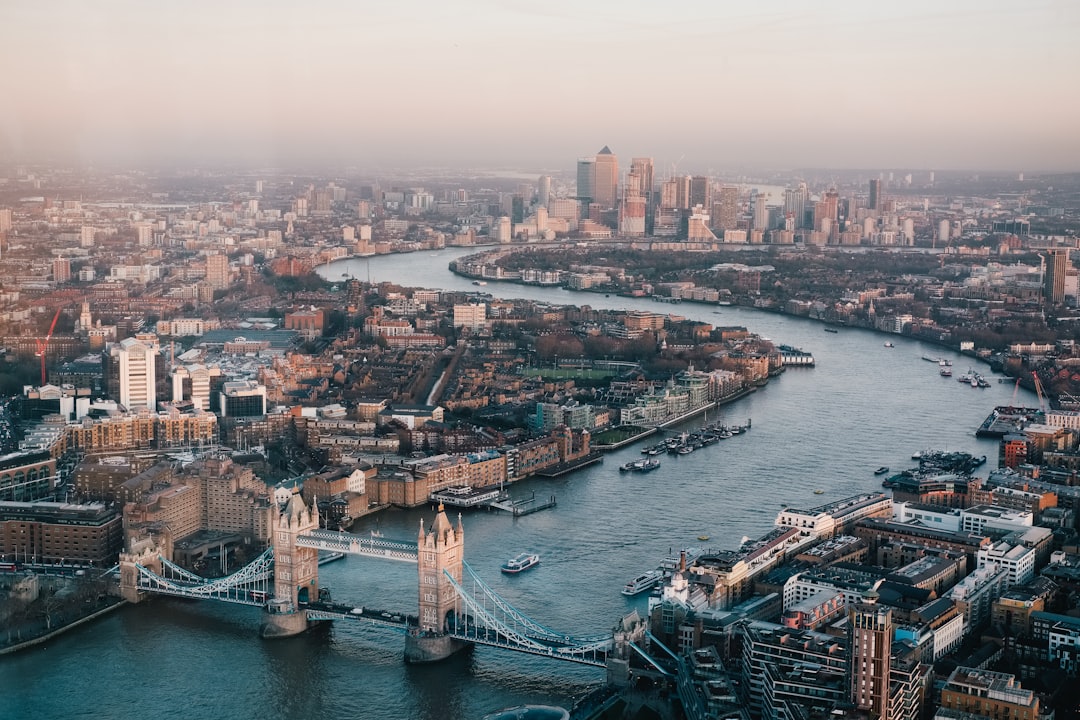
London brings royal fortresses, parliamentary landmarks and major cultural institutions together along the River Thames. The capital and largest city of England and the United Kingdom lies in southeast England, with an urban history stretching back nearly 2,000 years. Its Roman-founded core, the City of London, remains a financial centre, while Westminster has housed national government for centuries.
The modern metropolis extends far beyond those historic centres. More than 300 languages reflect its cultural diversity, and its identity embraces theatre, music, art, learning and international trade. For visitors, that breadth translates into days divided between monuments, museums, riverside landmarks and substantial stretches of green parkland, followed by evenings in its theatres and music venues.
Top 10 things to do in London
10. Explore the British Museum
The British Museum is a central stop in London's extensive museum landscape. Give it a dedicated part of the day so the visit has room to develop beyond a quick circuit. Alongside the Natural History Museum and Tate Modern, it demonstrates how strongly cultural institutions shape the capital's appeal, with museums forming an essential part of a London itinerary.
9. See a production in the West End
London's theatre tradition comes alive in the West End, particularly around Leicester Square, Covent Garden, Shaftesbury Avenue and Haymarket. Plays and musicals make this one of the city's defining evening experiences. The wider theatrical landscape also extends across the Thames to the National Theatre and Globe, connecting contemporary performance with London's long association with drama.
8. Look across London from the London Eye
On the South Bank of the Thames, the London Eye brings a broad view of the capital into a single experience. The observation wheel makes the river's role in London's geography especially clear. Its appeal lies in seeing the city at a larger scale after exploring its streets, monuments and individual historic sites.
7. Visit Trafalgar Square and the National Gallery
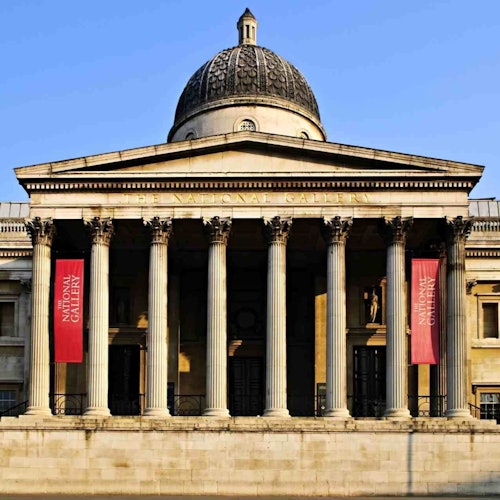
Nelson's Column and the surrounding lions give Trafalgar Square its familiar outline, while the Fourth Plinth introduces a changing artistic presence. The National Gallery overlooks the square, bringing a major cultural institution into this prominent public space. Combine time outdoors among the monuments with a gallery visit for a concentrated encounter with London's civic and artistic life.
6. Discover St Paul's Cathedral
Sir Christopher Wren's cathedral rose after the Great Fire of London of 1666, and its dome remains a defining feature of the City. Inside, the Whispering Gallery is known for its unusual acoustics. A viewing area adds another perspective on the surrounding streets and the nearby Millennium Bridge, connecting the building's architecture with its riverside setting.
5. Explore Tower Bridge
Tower Bridge pairs its distinctive high towers with a working drawbridge structure beside the Tower of London. This 19th-century landmark rewards attention beyond the familiar exterior view: the exhibition provides access to its interior. See it as both a piece of London's river infrastructure and one of the capital's most recognisable architectural sights.
4. See Buckingham Palace and Changing the Guard
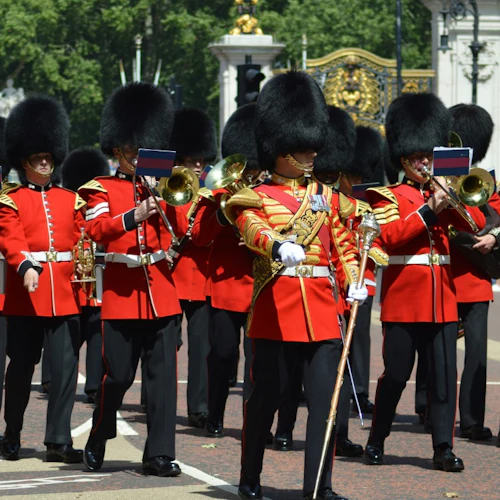
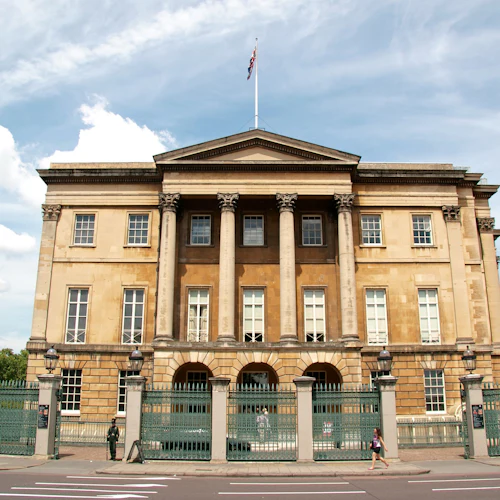
Buckingham Palace is the King's London residence and a focal point of the capital's royal identity. Its exterior is a major sight in its own right, while Changing the Guard adds a living ceremonial tradition. The ceremony involves Buckingham Palace, St James's Palace and Wellington Barracks, giving this part of Westminster a distinctive connection to royal life.
3. Enter the Tower of London
The Tower of London combines a royal fortress, the Crown Jewels and the presence of the Beefeaters in one Thames-side complex. Built by William the Conqueror after the Norman conquest, it preserves a direct connection to the establishment of royal power in medieval London. Its World Heritage status reflects the importance of this enduring landmark.
2. Visit Westminster Abbey
Westminster Abbey is inseparable from the history of the monarchy: royal coronations have taken place here since 1066. That continuing ceremonial role gives a visit particular significance. Set beside the parliamentary landmarks of Westminster, the abbey brings the religious and royal dimensions of national history into close proximity with the institutions of government.
1. See the Palace of Westminster and Big Ben
The Palace of Westminster brings together the Houses of Parliament and the Elizabeth Tower in London's emblematic riverside scene. Big Ben is the name of the tower's bell, although it commonly identifies the whole clock tower. This World Heritage landmark anchors a visit to the capital in the place where its parliamentary identity is most visibly expressed.