 All experiences



Best Monuments in Paris
Must-See Venues in Paris


 Buy Ticket
 More information


All attractions in Paris




 Paris
Paris Museum Pass


Paris Travel Guide: Top 10 Things to See and Do
The Eiffel Tower, the Louvre and the historic banks of the Seine give Paris an immediately recognizable identity. France’s capital lies in the Île-de-France region in north-central France, with the river running through its urban heart. Its twenty arrondissements each have a distinct cultural character, while the boulevards, parks and public works shaped by Haussmann’s nineteenth-century renovation remain central to the city’s appearance.
Paris has long influenced art, fashion, food and design. Its museums range from vast collections spanning cultures to concentrated studies of individual artists, and its monuments connect religious life, republican memory and public spectacle. Alongside these permanent landmarks, recurring celebrations bring music and ceremony into the streets.
Top 10 things to do in Paris
10. See Paris celebrate Bastille Day
France’s national holiday on 14 July brings one of Paris’s major recurring public spectacles. The military parade on the Champs-Élysées and the city’s fireworks mark a day commemorating the storming of the Bastille during the French Revolution. For visitors in Paris on that date, the celebrations reveal the capital’s role as a stage for national ceremony.
9. Discover the architecture of Palais Garnier
Designed by Charles Garnier and inaugurated in 1875, this opera house is a defining work of nineteenth-century theatre architecture. The building itself is the principal attraction: a monument to the importance of performance in Parisian cultural life. Studying its architecture adds a theatrical dimension to a city itinerary otherwise dominated by churches, museums and civic monuments.
8. Admire the stained glass of Sainte-Chapelle
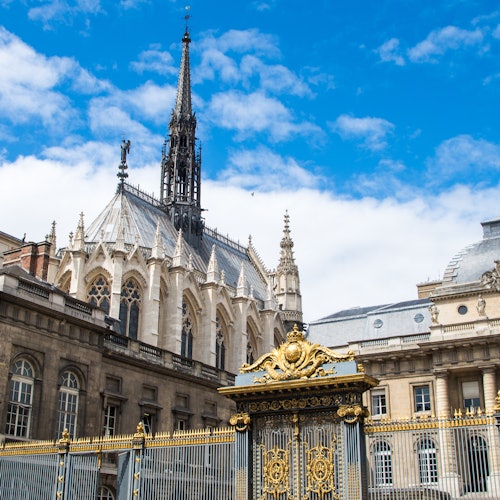
Sainte-Chapelle’s stained glass makes it one of Paris’s essential religious interiors. Give the windows your attention: their colour and detail are the central reason to visit. The chapel provides a focused encounter with sacred art, with the building and its glazing forming a single architectural experience that rewards close observation.
7. Walk along the Seine
The Seine is central to understanding Paris’s geography and historic landscape. Parts of the city along its banks have held UNESCO World Heritage status since 1991. A riverside walk lets you take in that setting at your own pace, with the river providing a continuous thread through a city of distinct districts and architectural landmarks.
6. Explore Impressionist art at the Musée d’Orsay
A former railway station houses the Musée d’Orsay’s collection of nineteenth- and early twentieth-century art. Its strengths include French Impressionism and works by Monet, Renoir and Van Gogh. The setting is part of the visit’s appeal, bringing major paintings into a building whose original purpose belongs to the same broad period of urban transformation.
5. Take in the view from the Arc de Triomphe
The Arc de Triomphe combines monumental architecture with an elevated view of Paris. Its rooftop gives visitors a broad perspective on the capital, while the nearby Champs-Élysées is among the city’s most recognizable avenues. Together, the monument and avenue form an essential encounter with the grandeur of Paris’s public spaces.
4. Visit Sacré-Cœur and its artists’ surroundings
Sacré-Cœur stands at the highest point in Paris, making its setting as compelling as the church itself. The space in front opens onto extensive city views, while the artists’ area behind adds another reason to explore the surroundings. Allow attention to both sides of the landmark: the panoramic outlook and the cultural life around it.
3. See Notre-Dame de Paris
Notre-Dame stands on the Île de la Cité, placing this Gothic cathedral within the island landscape of historic Paris. Its architecture and its association with Victor Hugo’s The Hunchback of Notre Dame give it significance far beyond religious life. See it as both a major monument and a place deeply embedded in the city’s literary identity.
2. Explore the Louvre
The Louvre’s immense collection makes it a central destination for art and cultural history. The Mona Lisa is its best-known draw, but the scale of the museum extends far beyond a single painting. Choose a focused route through the collections and give individual works time; the building and its holdings can easily sustain more than one visit.
1. See the Eiffel Tower
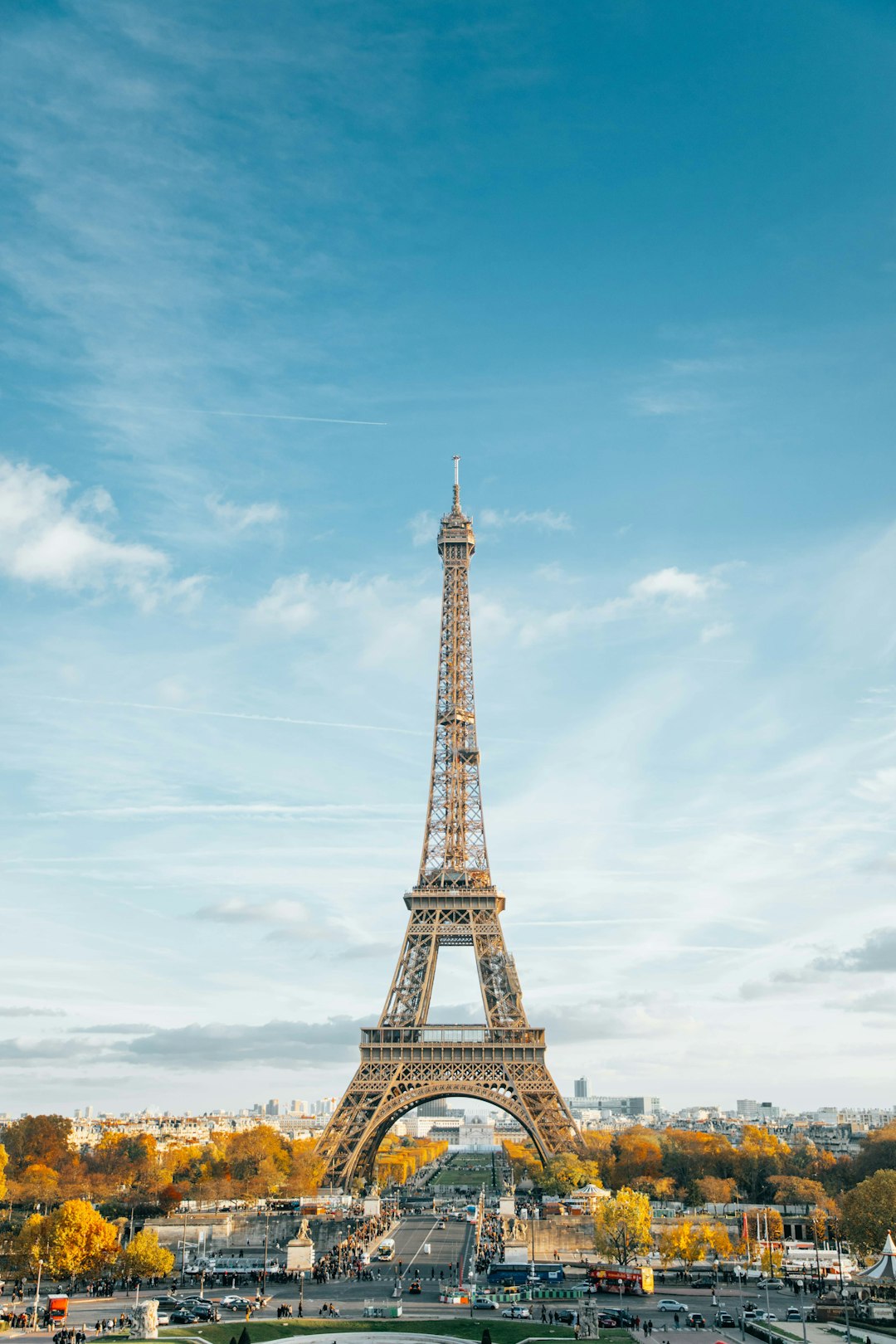
No monument represents Paris more clearly than the Eiffel Tower. Its unmistakable structure makes seeing it an essential encounter with the capital’s visual identity. Take time to look at the tower itself, not simply photograph it: its form is the defining image that connects Paris’s skyline with the city’s worldwide reputation.