Seville is the capital of Andalusia, in southern Spain, located at approximately 37.38° north and 5.97° west. Its identity is closely connected to the Guadalquivir region and to centuries of cultural exchange reflected in its architecture, religious heritage and public traditions. The city’s documented history reaches back to at least 1248, when it was incorporated into the Crown of Castile.
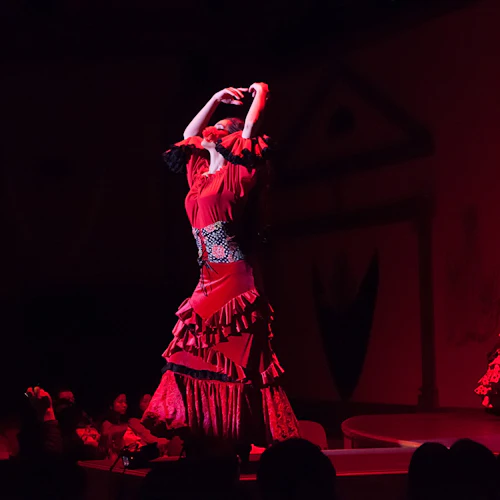
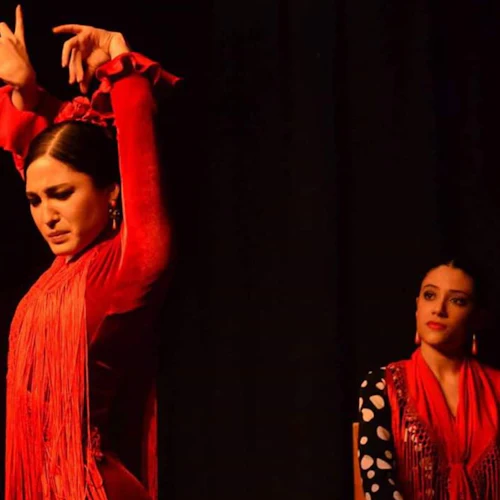
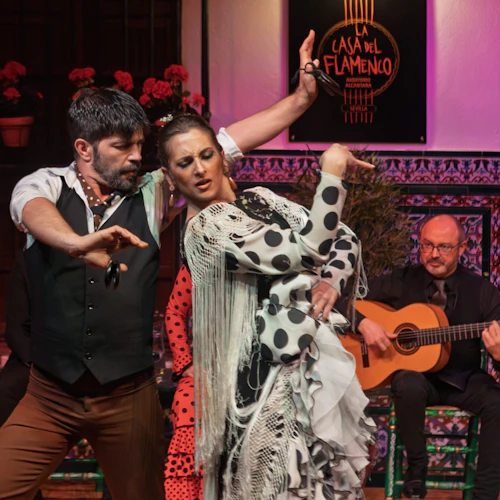
Seville is widely associated with monumental landmarks, including its cathedral and royal palace, as well as the historic districts that grew around them. Flamenco, an Andalusian art of music and dance, is part of the city’s cultural life. Visitors can encounter this heritage in landmark buildings and museums, while public squares and traditional neighbourhoods offer a broader sense of Seville’s urban character.
Top 10 Things to Do in Seville
10. See the Plaza de España
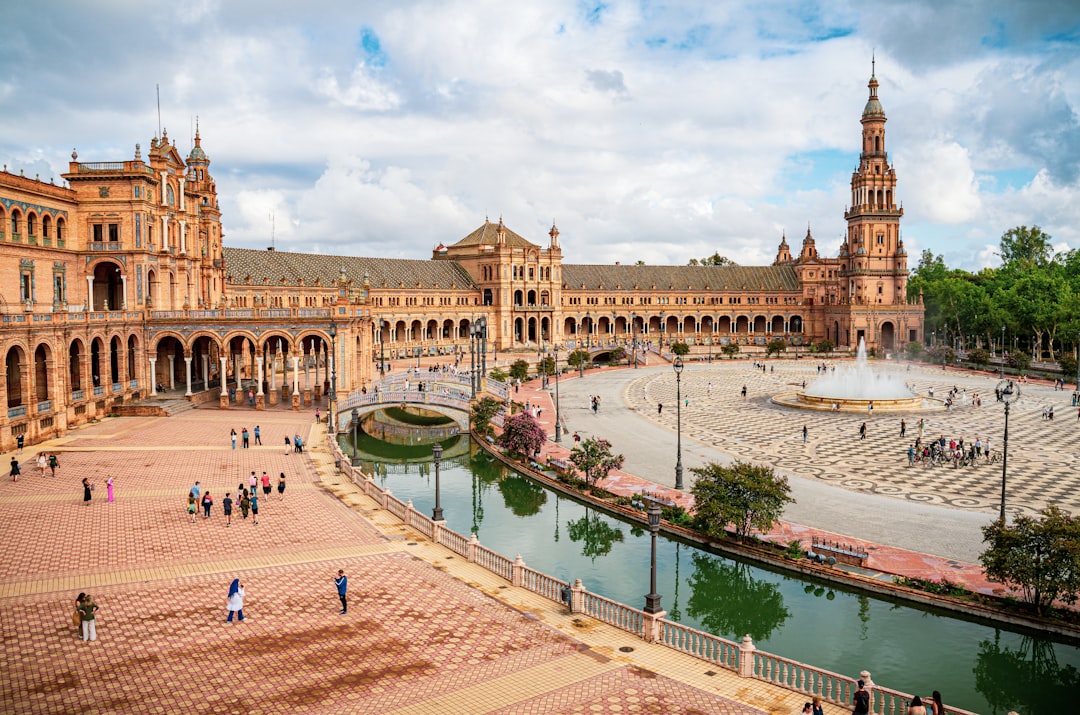
Built for the Ibero-American Exposition of 1929, Plaza de España is one of Seville’s most recognizable civic spaces. Its sweeping semicircular complex combines brickwork, towers, bridges and tiled alcoves representing Spain’s provinces. The scale and decorative detail make it a distinctive place to appreciate the city’s public architecture and its early 20th-century urban history.
9. Walk through María Luisa Park
María Luisa Park provides a broad, landscaped counterpart to Seville’s dense historic centre. Its tree-lined paths, fountains and pavilions include features shaped by the 1929 Ibero-American Exposition. The park is valued as both a public green space and an architectural setting, connecting visitors with an important chapter in the city’s modern development.
8. Explore Triana
Across the Guadalquivir from the central historic district, Triana is closely associated with ceramics and flamenco. Its streets and riverside setting offer a view of Seville’s neighbourhood life, while workshops and cultural venues reflect long-standing local crafts and performance traditions. Exploring the district helps place the city’s celebrated heritage in the context of everyday urban culture.
7. Visit the Torre del Oro
The Torre del Oro is a landmark beside the Guadalquivir and a reminder of Seville’s historic relationship with the river. Its compact, distinctive form stands out along the waterfront, where the city’s movement of people and goods once made the river especially significant. The tower is an enduring part of Seville’s riverside landscape and historic skyline.
Palacio de las Dueñas is a historic palace known for its courtyards, gardens and architectural layers. Its rooms and collections offer a more intimate perspective on aristocratic domestic life than Seville’s grand public monuments. The palace’s blend of artistic detail and garden spaces makes it a rewarding stop within the city’s wider architectural heritage.
5. Experience flamenco in Seville
Flamenco is one of Andalusia’s defining performance traditions, combining singing, guitar and dance. Seville is an important place to encounter this art, whether through a dedicated museum or a live performance in an intimate venue. The Museo del Baile Flamenco connects the dance with its expressive movement and cultural context.
4. Admire the Metropol Parasol
Known locally as Las Setas, Metropol Parasol is a striking contemporary structure in the heart of Seville. Its expansive timber forms contrast with the surrounding historic streets, illustrating how newer architecture has become part of the city’s public landscape. The structure and its surrounding square provide a clear point of comparison with Seville’s older monuments.
Seville Cathedral is a defining religious monument and one of the city’s most prominent landmarks. Its scale and rich architectural history reflect Seville’s changing cultural periods, while La Giralda, its renowned bell tower, preserves an especially distinctive silhouette. Together, the cathedral and tower form an essential part of the city’s historic centre.
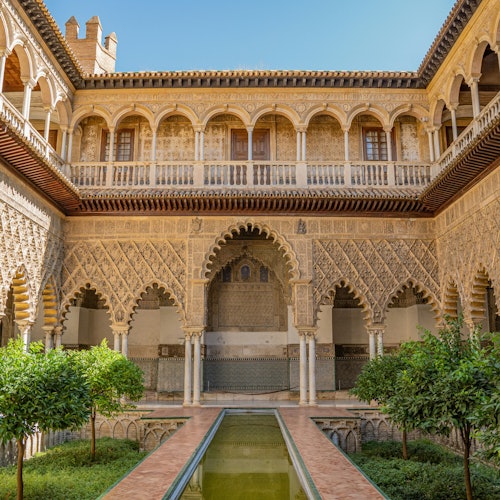
The Royal Alcázar of Seville is a royal palace complex celebrated for its intricate decoration, courtyards and gardens. Its architecture reflects the layers of Seville’s history, with craftsmanship and design that make the palace a major cultural landmark. Exploring its interconnected spaces offers an exceptional view of the city’s artistic and royal heritage.
1. Discover Seville’s historic centre
Seville’s historic centre brings together the city’s most emblematic heritage, from monumental religious and royal architecture to narrow streets, public squares and long-established cultural institutions. Wandering through this urban fabric reveals how different periods have shaped the city without separating its everyday life from its history. It is the most comprehensive way to understand Seville’s enduring character.
 All experiences


 Seville
 (15643)
 Buy Ticket
 More information