Florence: Top 10 Things to Do, Art and Historic Landmarks
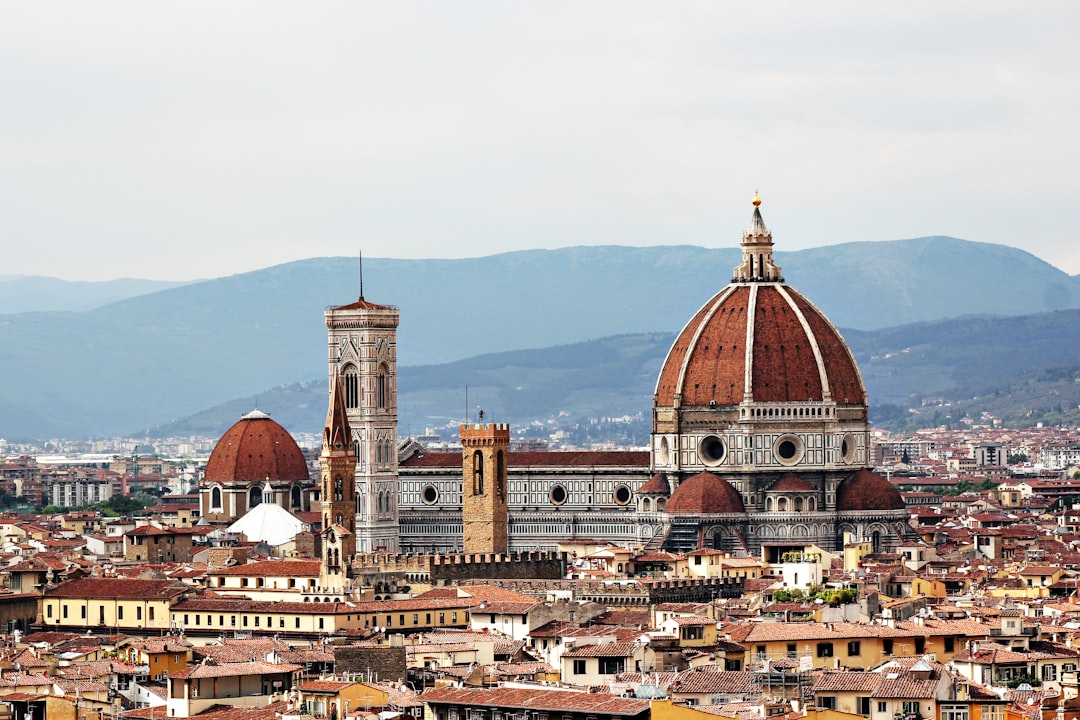
Florence’s cathedral dome and Renaissance galleries anchor one of Italy’s great concentrations of art and architecture. The capital of Tuscany, the city spreads along the Arno, with monumental churches, palaces and medieval streets forming a historic centre recognised by UNESCO as a World Heritage Site. Its appeal extends from individual masterpieces to the streets and squares that connect them.
Medieval trade and finance helped make Florence a centre of extraordinary cultural influence, while Medici rule and republican upheavals shaped its political life. Its literary legacy is equally significant: the Florentine dialect underpins standard Italian, and Dante remains central to the city’s identity. Florence also served briefly as the capital of the Kingdom of Italy and retains an important place in Italian fashion and craftsmanship.
Top 10 things to do in Florence
10. Explore Santa Croce and its medieval streets
Santa Croce is among Florence’s notable churches, and the surrounding medieval back streets reward a slower walk. Combine the church with time in these narrow lanes to appreciate the city beyond its principal museum interiors. This part of Florence brings religious architecture and the historic street pattern into the same outing.
9. Pause in front of Palazzo Vecchio
The space in front of Palazzo Vecchio brings a lively public dimension to Florence’s monumental surroundings. Evening street performers can range from violinists to living statues. Pause here during a walk through the historic centre: the setting gives the city’s palaces a place in everyday street life, alongside its formal cultural visits.
The Bargello belongs among Florence’s principal art museums and makes a rewarding stop for a closer look at the city’s Renaissance heritage. Give its collection a dedicated visit, with time to examine individual works. It complements the Uffizi and Accademia within a city whose artistic riches extend across several major institutions.
Behind Pitti Palace, the extensive Boboli Gardens combine sculpture, open-air wandering and views across Florence. Their spacious grounds change the pace after time inside churches and galleries. Follow a garden walk with pauses to look at the sculptures and city beyond; the landscape is an important part of the visit.
Pitti Palace is one of Florence’s major cultural institutions, bringing art collections into a palace setting south of the Arno. Its galleries deserve unhurried attention within an itinerary devoted to the city’s artistic heritage. The neighbouring Boboli Gardens make it possible to connect an indoor museum visit with a substantial outdoor walk.
5. Walk along the Arno and across Ponte Vecchio
The Arno gives Florence a natural route for walking between its historic streets and the Oltrarno, the area south of the river. Include Ponte Vecchio in a riverside walk, then cross into the streets beyond. Looking along the water opens up the city after the enclosed spaces of museums and medieval lanes.
4. Take in the panorama from Piazzale Michelangelo
Piazzale Michelangelo provides Florence’s classic panorama from a hillside south of the Arno. From this broad square, the city’s churches and palaces become part of a single view. San Miniato al Monte, a little higher up, adds another notable church and viewpoint to an outing focused on Florence’s wider setting.
The Accademia is one of Florence’s essential galleries for exploring its Renaissance artistic legacy. Make room for sustained looking at the works themselves, alongside the city’s architecture and public spaces. A visit here adds another major collection to the picture of Florence as a centre of exceptional artistic production.
The Uffizi is a defining destination for understanding Florence through its art. Among the city’s foremost galleries, it places its Renaissance legacy at the centre of a museum visit. Allow individual works to hold your attention: the collection deserves a measured pace, with space to look closely and absorb what you see.
Santa Maria del Fiore, crowned by Brunelleschi’s vast dome, is Florence’s most emblematic landmark. Explore the square as an ensemble, taking in Giotto’s richly decorated bell tower and the octagonal Baptistery. The nearby Museum of the Works of the Duomo preserves original artworks from these buildings, including sculptures by Donatello and a Pietà by Michelangelo.
 All experiences



 Florence
 (10)
 Buy Ticket
 More information


